








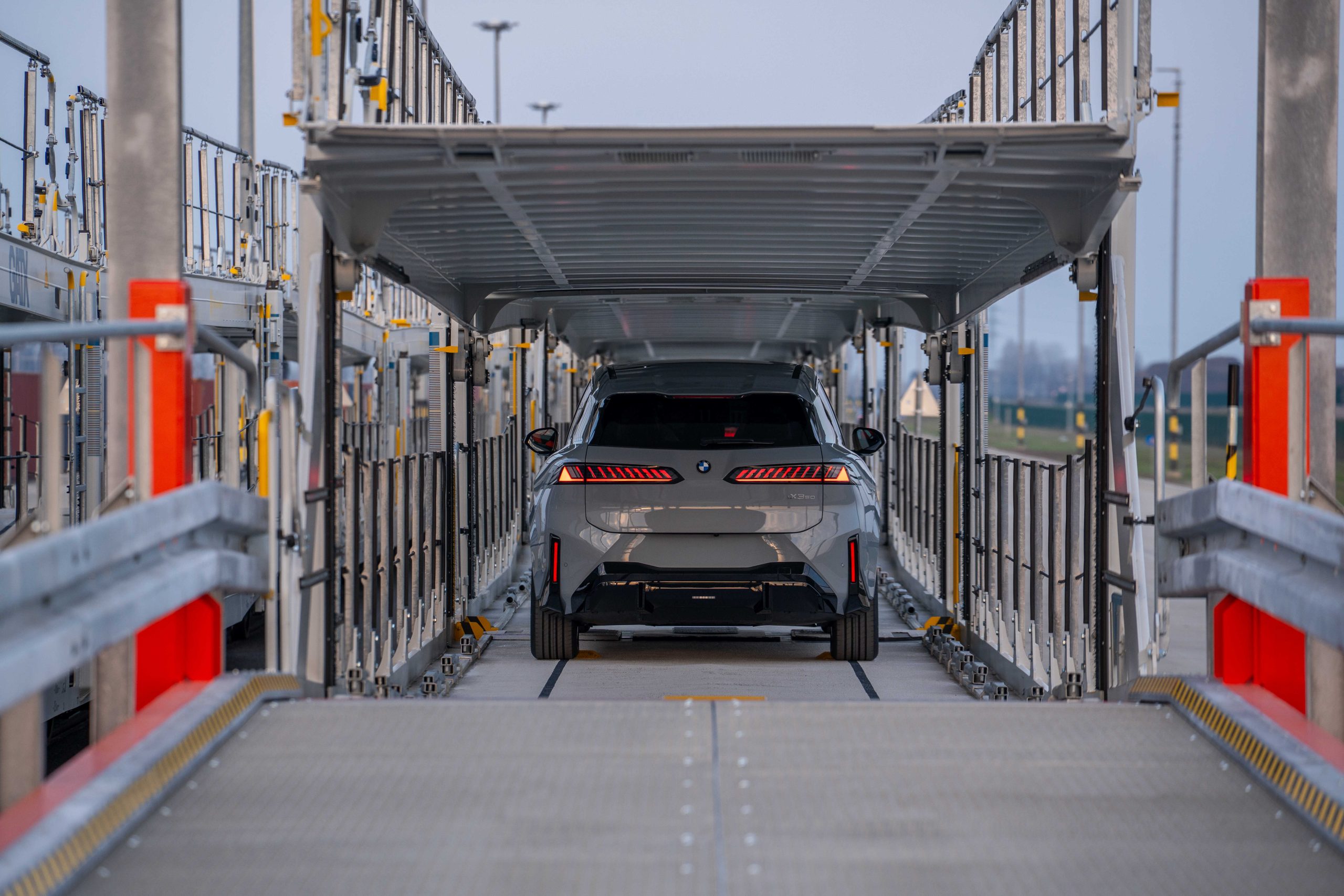
A major cooperation is beginning in Hungary’s automotive sector. The first train transporting finished vehicles has departed from the BMW plant in Debrecen, with operations managed by Waberer’s rail logistics subsidiary, PSP Rail. The project relies on rail transport instead of road haulage, significantly reducing the ecological footprint.
Under the contract, which runs until 2031 and is expected to generate tens of millions of euros in revenue, the group will provide regular rail transport of finished vehicles to European ports. From there, the cars will continue to numerous global markets, including the United States and China.
In the first phase of operations, launched in March, PSP Rail is handling high-volume rail transport for BMW Group. The project will expand gradually, and from 2027 onward, rail services will be further extended to cover several key European seaport terminals.
“We are proud that one of the world’s leading car manufacturers, BMW Group, has chosen us as its strategic partner in this highly significant logistics project. This assignment is not only recognition of Waberer’s Group’s rail logistics expertise, but also an international success for the Hungarian logistics sector. The project fits perfectly into our long-term strategy, which focuses on the expansion of environmentally friendly, intermodal solutions. By prioritizing rail over road transport, we significantly reduce the environmental footprint of transportation, supporting both our partners’ and our own sustainability goals,” said Zsolt Barna, Chairman and CEO of Waberer’s Group.
High Volume, Low Emissions
The complex logistics task is implemented using state-of-the-art technology. PSP Rail is responsible for operational execution, and the group has carried out significant capacity expansion for the project.
A specialized fleet of 110 newly developed rail wagons, optimized specifically for vehicle transport and equipped with the latest safety and securing technologies, has entered service. Transportation is supported by modern Siemens Vectron electric locomotives, ensuring efficiency and low emissions across European routes.
ESG Focus: Meeting the Strictest EU Standards
The project is of outstanding importance in terms of sustainability and is fully aligned with the European Union’s Green Deal guidelines, which promote shifting freight transport from road to rail. Rail servicing of the Debrecen BMW plant is expected to replace thousands of trucks annually, drastically reducing carbon dioxide emissions as well as environmental and road infrastructure burdens. The dominance of electric traction on European routes further strengthens the project’s ESG profile and demonstrates the parties’ commitment to climate-neutral logistics.
A Strategic Milestone
The tender, awarded in 2024, is the result of nearly one and a half years of preparatory work, including intensive planning, procurement, and infrastructure development. Due to the contract’s complexity and strategic importance, significant capacity expansion and organizational strengthening were required within the rail logistics division.
Winning the new mandate reinforces Waberer’s position among Central Europe’s leading logistics providers and confirms the strategic soundness of its investments in rail logistics. The project serves as tangible proof that the deliberate development of the group’s rail capacities and its commitment to intermodal solutions were well-founded, creating further opportunities for expansion across various industrial sectors — from automotive to construction.
Source, photo: waberers.com