







Gulyás Slams EU for Linking Recovery Money to Child Protection Law
Gergely Gulyás said that the EU’s attempt to link the disbursement of recovery funds to the issue of Hungary’s child protection law was “an extremely negative development”.
Gergely Gulyás said that the EU’s attempt to link the disbursement of recovery funds to the issue of Hungary’s child protection law was “an extremely negative development”.

The EU Bee Partnership (EUBP) has unveiled a new online data platform that will play a crucial role in efforts to protect bee and pollinator health. The prototype platform is a ground-breaking tool that will bring together and visualise harmonised data related to bees and other pollinators.
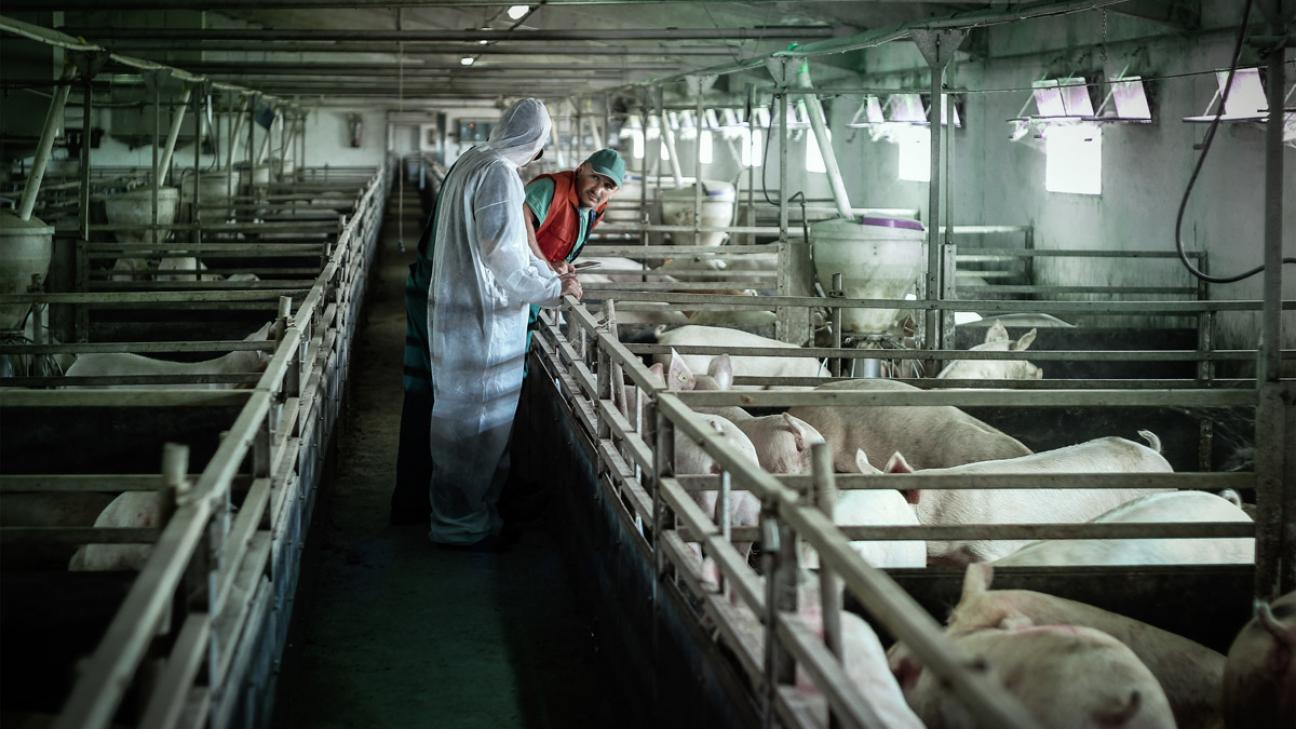
EFSA is stepping up its efforts to halt the spread of African swine fever in Europe by expanding its campaign to a further nine countries.
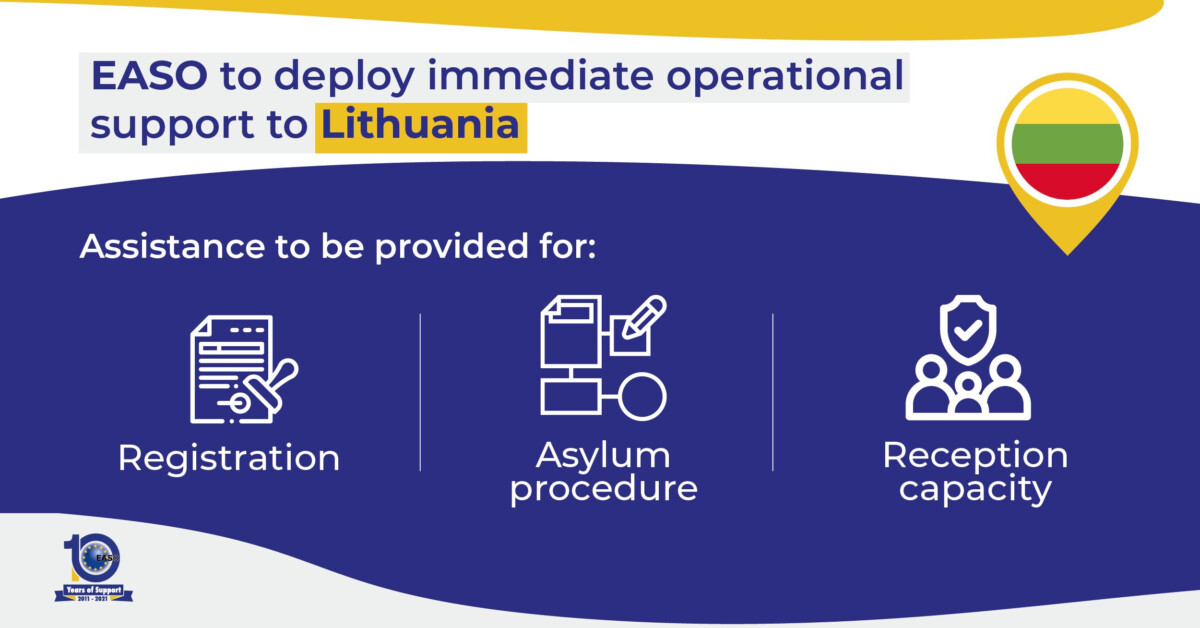
The European Asylum Support Office (EASO) could deploy up to 50 personnel, both in-country and via remote working, in support of the Lithuanian asylum authorities by the end of the year.
Miklós Soltész, state secretary at the Prime Minister’s Office, had talks with Ieronymos II, head of the Orthodox Church of Greece, and Konstantinos Vlassis, deputy minister for diaspora Greeks, in Athens.

Croatia is a key player when it comes to developing central Europe, Zsolt Németh, the head of parliament’s foreign affairs committee, said at an event marking the start of Hungary’s presidency of the Visegrad Group, at the Hungarian embassy in Zagreb.
The Estonian legislation imposing an absolute bar on a prison officer remaining in employment when his or her hearing acuity does not meet minimum standards of sound perception without allowing it to be ascertained whether that officer is capable of performing his or her duties is contrary to EU law.
In the absence, at the national level, of a specialised court for that type of action, an undertaking which made its purchases in several places may bring an action before the court within whose jurisdiction its registered office is situated.
The Court of Justice dismisses the appeal brought by Germany against the judgment of the General Court, which, in application of that principle, had annulled a 2016 Commission decision by which the conditions for access to the OPAL gas pipeline had been amended.
That directive does not preclude a stand-by period during which a member of military personnel is required to remain at the barracks to which he or she is posted, but does not perform actual work there, from being remunerated differently than a stand-by period during which he or she performs actual work.